From feller-bunchers to harvesters, we help professionals choose the right equipment for productivity, safety, and environmental responsibility.
2,500+ Professional clients worldwide
Trusted by forestry contractors, logging companies, and forest managers across Europe, North America, and Asia-Pacific.
⭐ 4.9 / 5 average rating
Based on long-term partnerships and field-proven machines.
We combine forestry expertise, reliable equipment and dedicated support to improve productivity, safety and sustainable forest operations
Powering modern forestry with high-performance machines
Our forestry machines are designed to meet the demands of professional logging and sustainable forest management. We combine robust engineering, advanced technology, and field expertise to deliver equipment that performs reliably in all operating conditions.
Key benefits
Increased harvesting and extraction efficiency
Reduced soil compaction and environmental impact
Compliance with EU Stage V & EPA Tier 4 Final standards
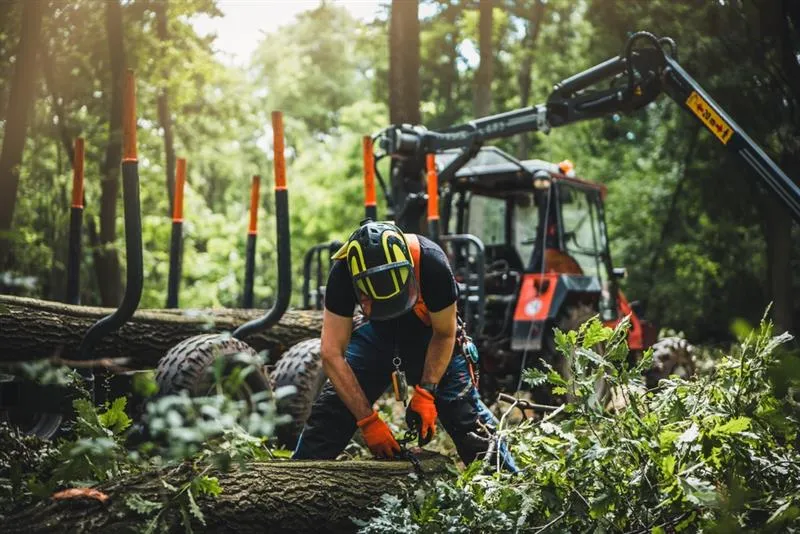
Improved operator safety and comfort
Optimized fuel consumption and lower operating costs
Long-term reliability for demanding forestry operations
Driving efficient and sustainable forestry operations worldwide
Empowering forestry professionals with machines that balance power, precision, and environmental responsibility, while maximizing productivity in the field.
Years of industry expertise
0+
Machines supplied worldwide
0K+
Potential fuel savings with hybrid technologies
0%
Operational reliability with proper maintenance
0%
Feller- Bunchers
Fast and efficient tree harvesting
Automated machines designed to cut and gather multiple trees before placing them on the ground. Ideal for high-volume harvesting in dense forests and difficult terrain.
Key advantages
High productivity and speed
Reduced number of machine passes
Lower soil disturbance
Skidders
Powerful log extraction in rugged terrain
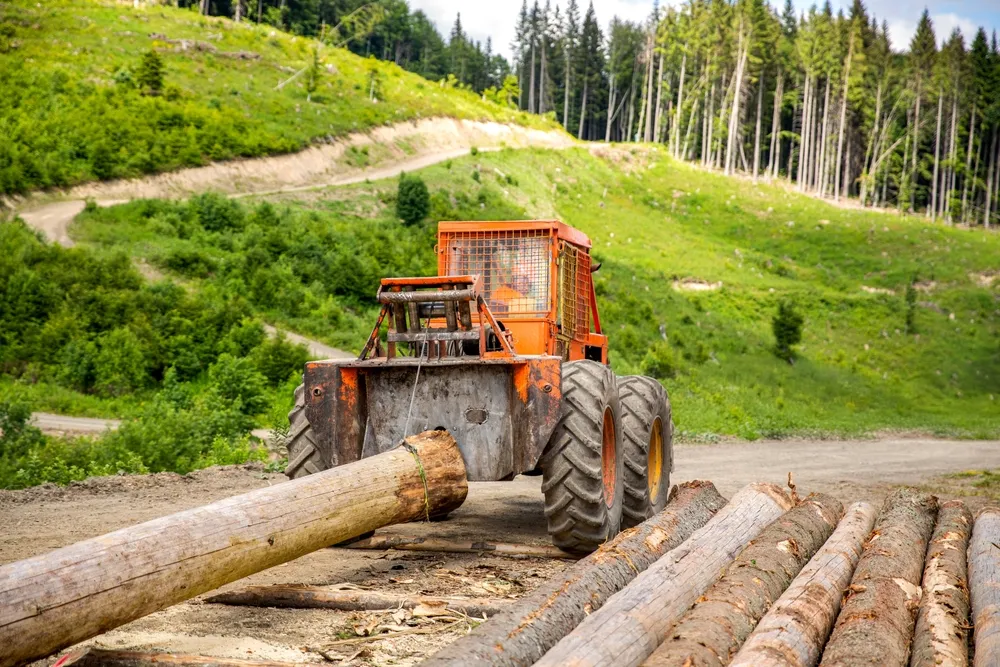
Skidders are used to drag felled trees to centralized collection areas. Available in wheeled or tracked configurations for maximum traction.
Key advantages
Exceptional pulling power
Robust design for harsh conditions
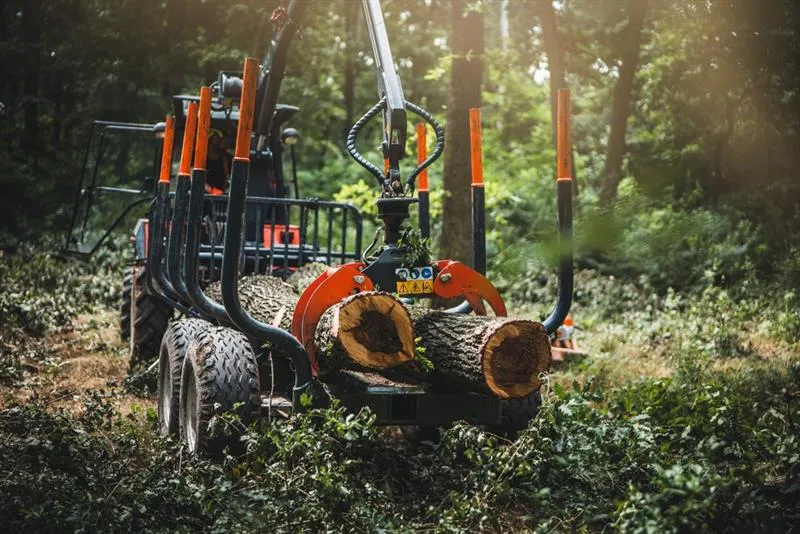
Forwarders
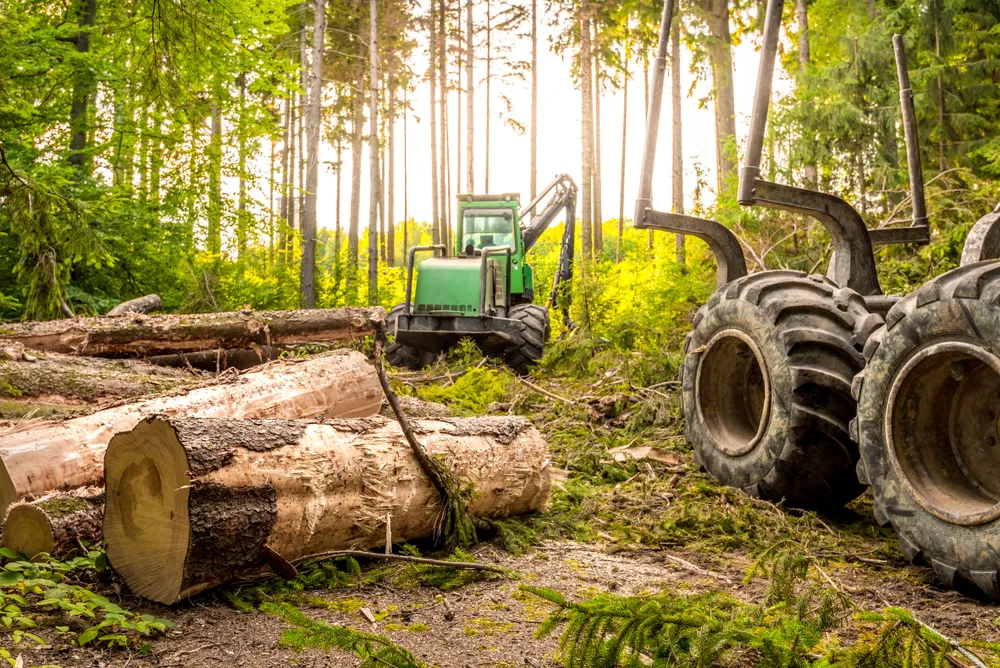
Low-impact log transport
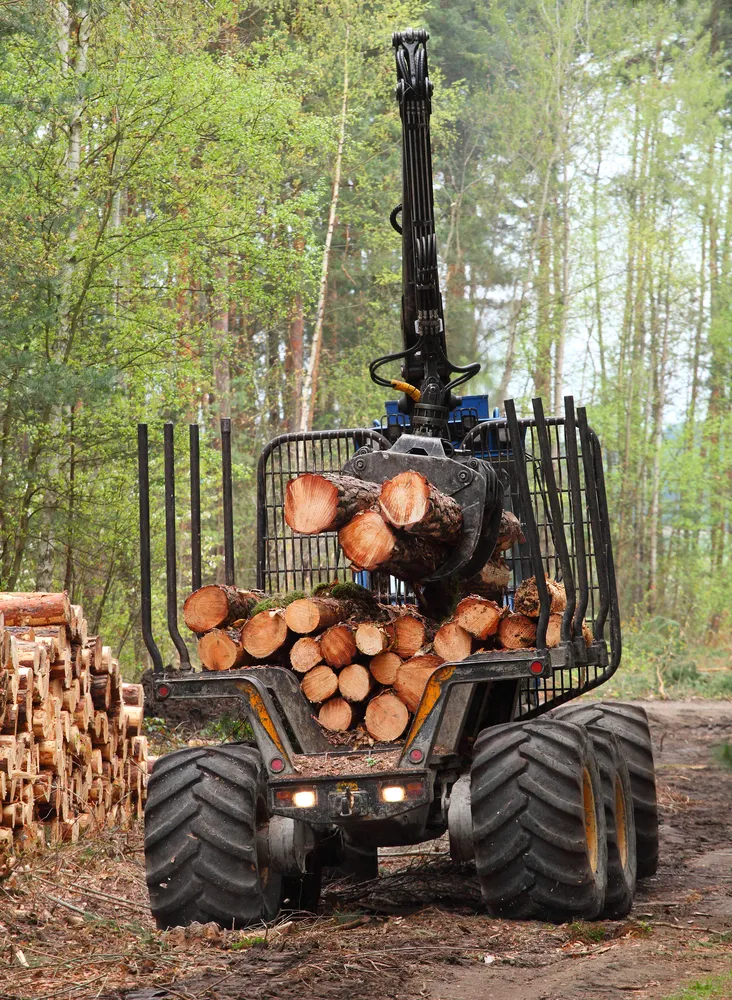
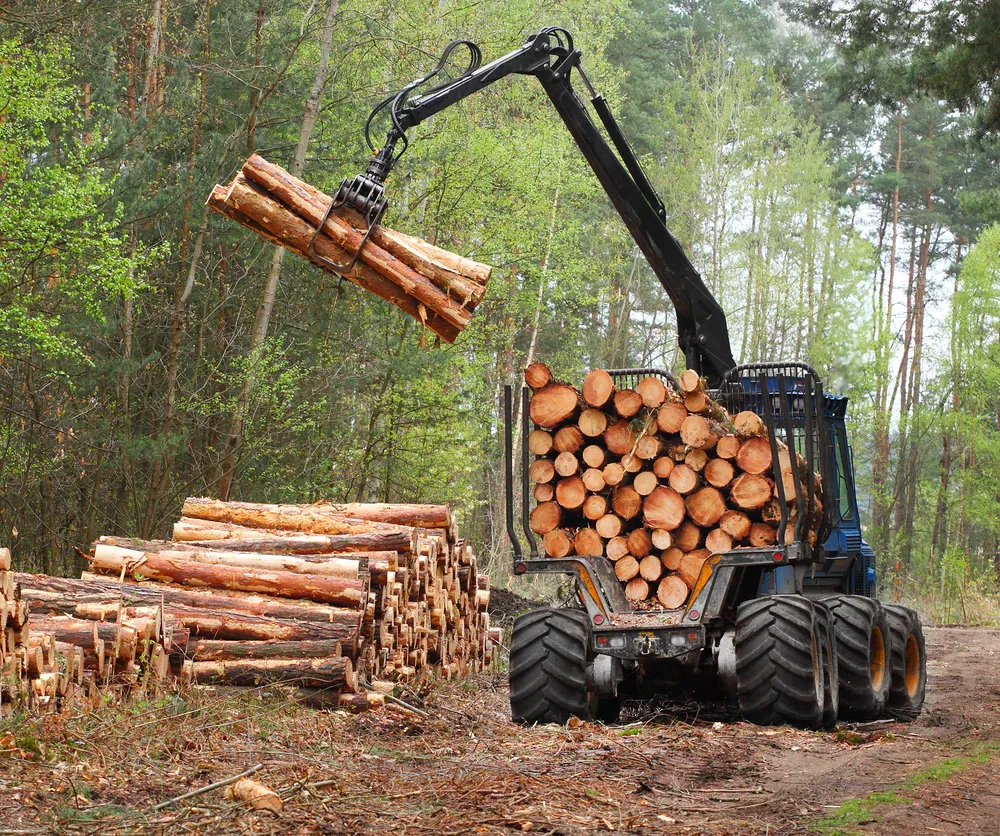
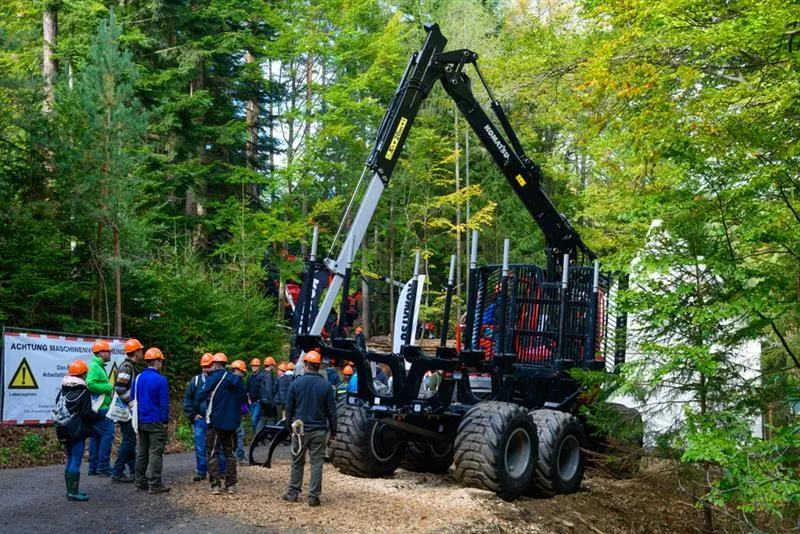
Forwarders carry cut logs directly to loading or processing points, minimizing ground damage. They are especially effective in wet or sensitive soils.
Key advantages
Low soil compaction
High transport efficiency
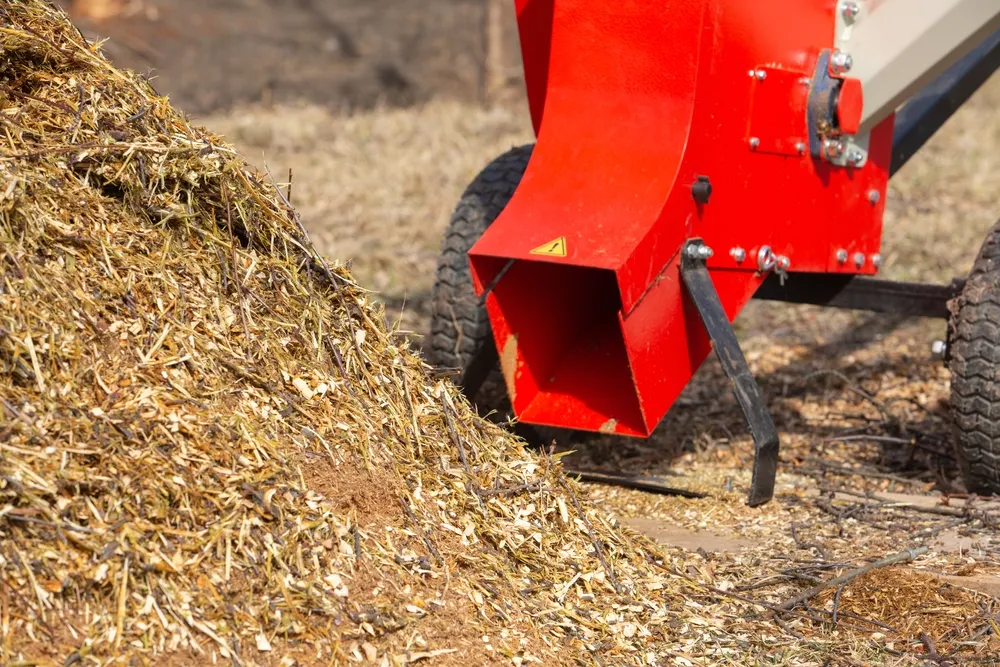
Grinders & Chippers
Wood processing and energy valorization
These machines transform residues, branches, and waste wood into wood chips for bioenergy or mulching.
Key advantages
Added value from forestry by-products
Increasing availability of hybrid and electric models
Harvesters & multifunction machines
Precision forestry in one machine
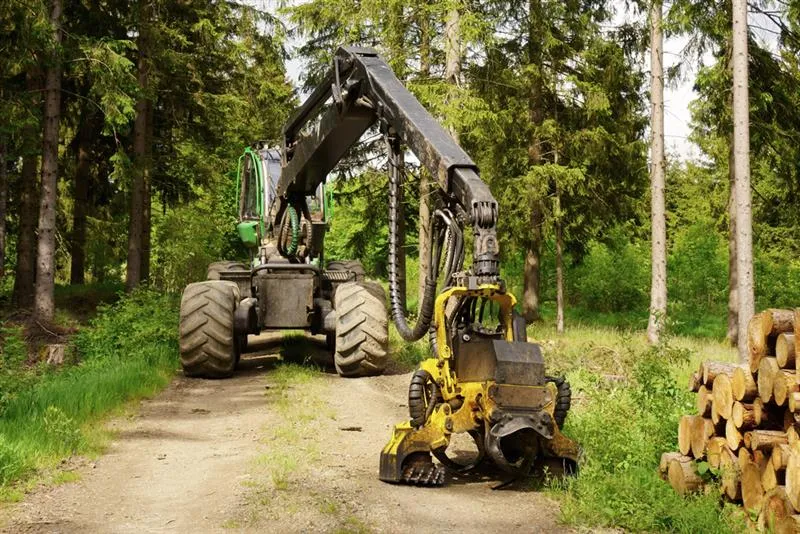
Harvesters combine felling, delimbing, and cross-cutting in a single operation. They are widely used in Europe and North America for their accuracy and versatility.
Key advantages
High precision using onboard technology
Reduced operator fatigue
Optimized cutting decisions
Our forestry machines categories
Professional equipment available for immediate purchase
We offer a carefully selected range of forestry machines designed for performance, durability, and sustainable operations.
Harvesters for Sale
Advanced harvesters designed for felling, delimbing, and cross-cutting with maximum precision and productivity.
Ideal for high-volume harvesting operations in both softwood and hardwood forests.
Efficient and low-impact machines for transporting logs from forest to loading areas.
Perfect for operations where soil preservation and productivity are critical.
We combine forestry expertise, reliable equipment and dedicated support to improve productivity, safety and sustainable forest operations
Overview of our current forestry machines
Forestry machines play a key role in sustainable forest management and in the wood supply chain. The global market for this equipment, estimated at nearly USD 10.7 billion in 2023, is evolving rapidly under pressure from global demand, environmental regulations, and new technologies. Diesel engines remain the standard, powering more than 92% of machines, but hybrid and electric models are gaining ground, offering fuel savings of up to 30%. Strict emissions regulations such as EU Stage V and EPA Tier 4 Final are pushing manufacturers to rethink engine design. The sector is also experiencing a wave of digitalization, with GPS and sensors enabling more precise and efficient operations. In the Asia-Pacific region, growth is strong, driven in particular by urbanization in China, India, and Japan. Below is an overview of the main types of forestry machines currently used worldwide.
Feller-Bunchers
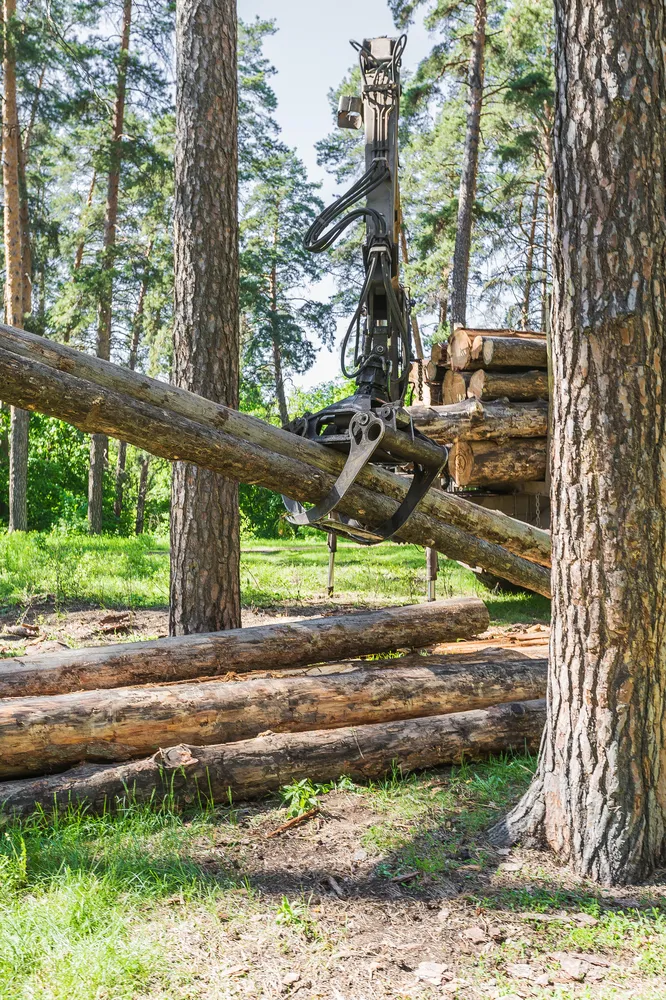
These automated machines cut and gather multiple trees before placing them on the ground. They are mainly used for rapid harvesting over large areas. Feller-bunchers are highly effective in dense forests and on difficult terrain. Popular models include the John Deere 953MH and the Tigercat 845E. Their main advantage is speed of operation and the reduction in machine passes, which helps limit soil disturbance.
Skidders
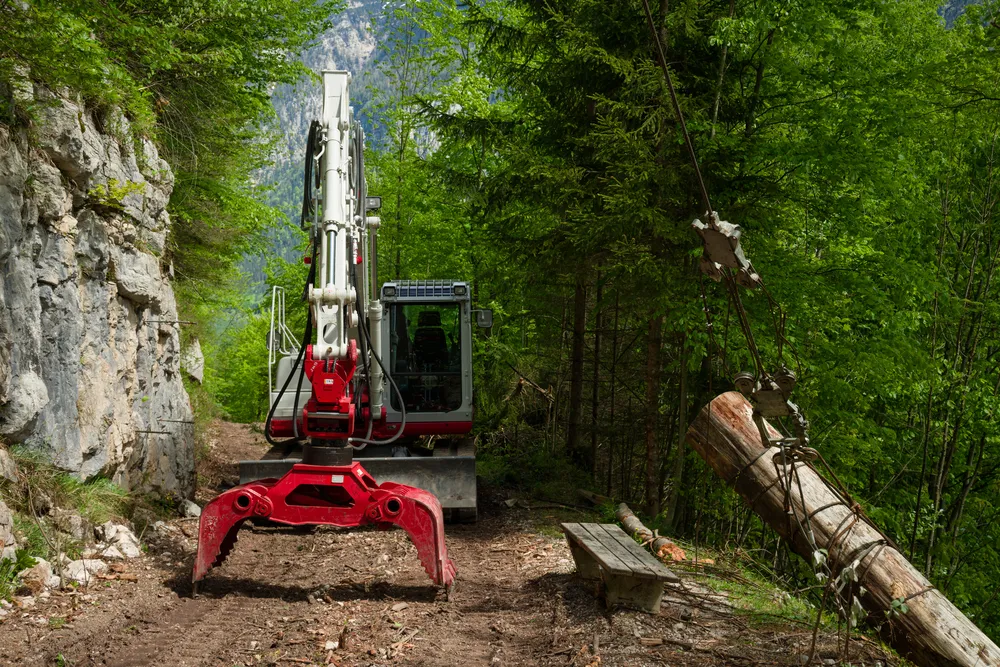
The primary function of these machines is to drag felled trees to a collection area. Skidders are available in wheeled or tracked versions. The Caterpillar 525D and the Timberjack 460 are widely used. Skidders are essential for log extraction in rugged terrain. They are known for their robustness but have high fuel consumption.
Forwarders
Forwarders transport cut logs to loading or processing points. They are preferred for their low ground impact, especially in wet areas. Brands such as Ponsse, Komatsu, and Valmet dominate this segment. Forwarders are well suited to operations where soil preservation is a priority.
Grinders and Chippers
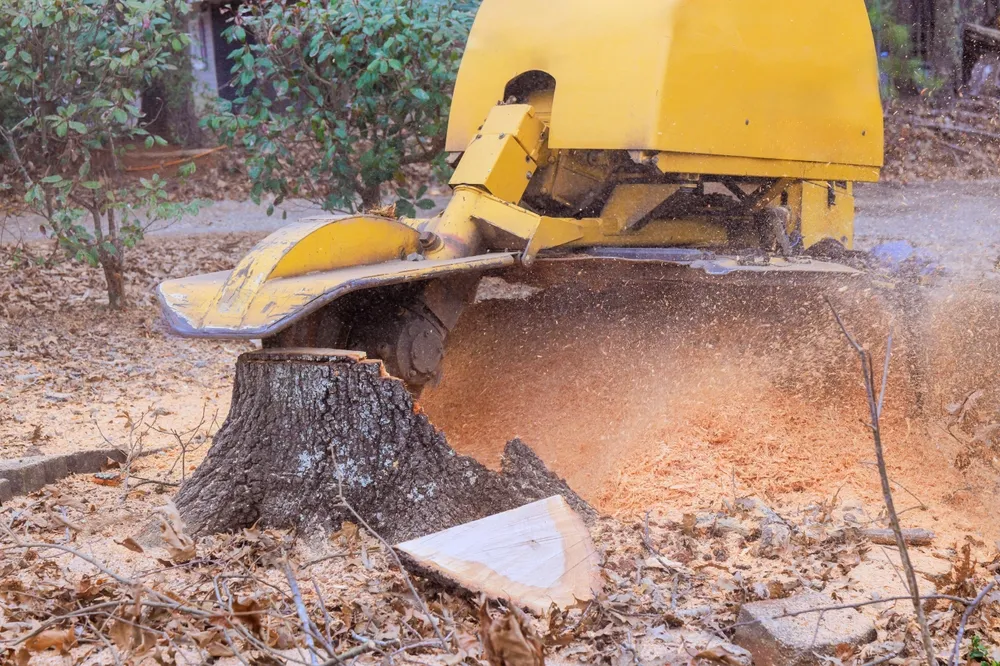
These machines convert wood residues and branches into wood chips used for energy production or mulching. They are commonly used to add value to forestry by-products. Bandit and Vermeer models are widely used. Modern chippers are increasingly powered by hybrid engines to meet environmental requirements.
Harvesters and multifunction machines
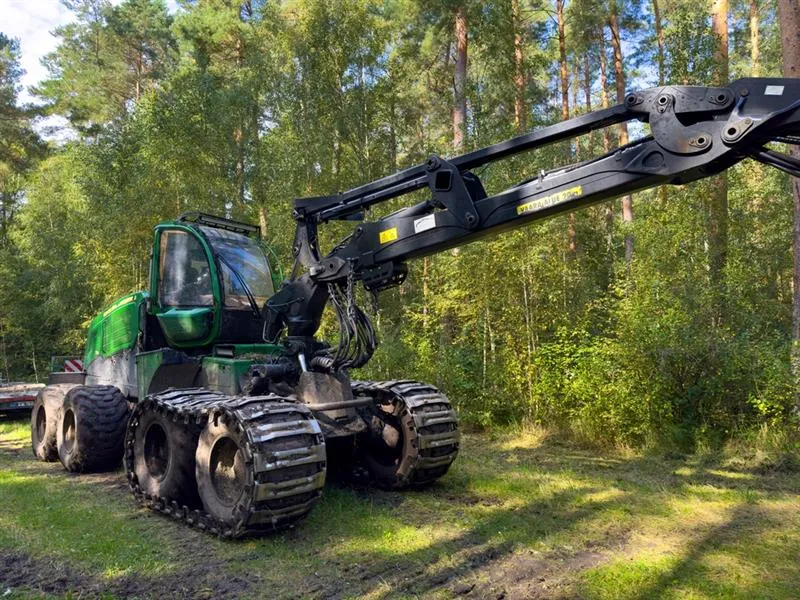
These machines perform multiple tasks: felling, delimbing, and cross-cutting. Harvesters such as the Komatsu 931XC and the John Deere 1270G are widely used in Europe and North America. They stand out for their versatility and precision thanks to onboard technology.
Machine type overview
Machine type
Main function
Common brands / models
Dominant powertrain
Key strengths
Feller-bunchers
Felling and bunching
John Deere, Tigercat
Diesel, hybrid
Speed, automation
Skidders
Log extraction
Caterpillar, Timberjack
Diesel
Power, durability
Forwarders
Log transport
Ponsse, Komatsu, Valmet
Diesel, hybrid
Low ground impact, efficiency
Chippers
Processing / energy
Bandit, Vermeer
Diesel, electric
Valorization, adaptability
Multifunction machines
Felling / delimbing / cutting
Komatsu, John Deere
Diesel, hybrid
Versatility, precision
Essential selection criteria for each application
To choose the right forestry machine, several criteria must be considered depending on the type of operation and the environment in which the machine will be used. This choice affects worker safety, equipment lifespan, and forest impact. Modern machines also offer solutions to minimize environmental damage while remaining effective under challenging conditions.
Operating environment directly influences machine selection. For steep or rocky terrain, machines equipped with durable tracks or large wheels should be preferred to ensure better traction and prevent slipping. In dense forests or areas with many trees to protect, compact and maneuverable machines help reduce collateral damage. Climate conditions also play a key role: heavy rain or snow requires equipment with enclosed cabs, robust anti-slip systems, and engines capable of operating in high humidity. These adaptations ensure operator safety and maintain productivity even in unfavorable weather.
Needs vary according to the task: cutting, transporting, or handling wood each involve different requirements. For felling operations, powerful harvesters capable of fast and precise work are essential, especially for large volumes or hardwoods. For extraction and transport, forwarders or skidders with high load capacity, good stability, and suspension systems that protect the soil are preferred. Handling cranes must be precise, with long reaches to access log piles without frequent repositioning of the machine. Each task therefore requires the right balance of power, maneuverability, and machine size to prevent breakdowns and limit wear.
Engine power, maneuverability, and load capacity are three major criteria for all machine types. A machine that is too heavy or insufficiently maneuverable can compact the soil and damage vegetation, while a well-chosen machine limits environmental impact. Recent models include features such as precision harvesting, which reduces unnecessary cutting and protects non-target trees. Easy access to maintenance parts is also essential, allowing quick repairs, reduced downtime, and extended machine lifespan. With regular maintenance, a forestry machine can remain effective for 15 to 20 years or more, optimizing the investment.
Checklist before purchase
Analyze terrain and climate to choose between wheels or tracks
Check engine power and load capacity according to the task
Ensure availability and accessibility of maintenance parts