Importing machinery involves far more than simply purchasing equipment abroad. From choosing the right transport method to handling customs procedures and complying with local standards and regulations, the process requires careful planning and anticipation. This approach also involves gathering various import documents and, in some cases, adapting the machine to the technical requirements of the target country. Discover each essential step to secure your project, avoid common pitfalls, and optimize lead times.
Preparing for machinery importation
When it comes time to import industrial equipment, it is essential to understand the regulations governing machinery imports. Collecting all required import documents in advance helps reduce the risk of delays when the equipment arrives at the port or airport. An incomplete or incorrect file can delay entry into the country, often resulting in unexpected additional costs.
Administrative procedures vary depending on the machine’s country of origin, its nature, and its declared value. Being informed about the necessary licenses and permits saves valuable time. For most equipment, a customs declaration is mandatory before any cross-border transfer. It is therefore advisable to consult the list of products subject to prior authorization with the relevant authorities to avoid unpleasant surprises.
Understanding international transport formalities
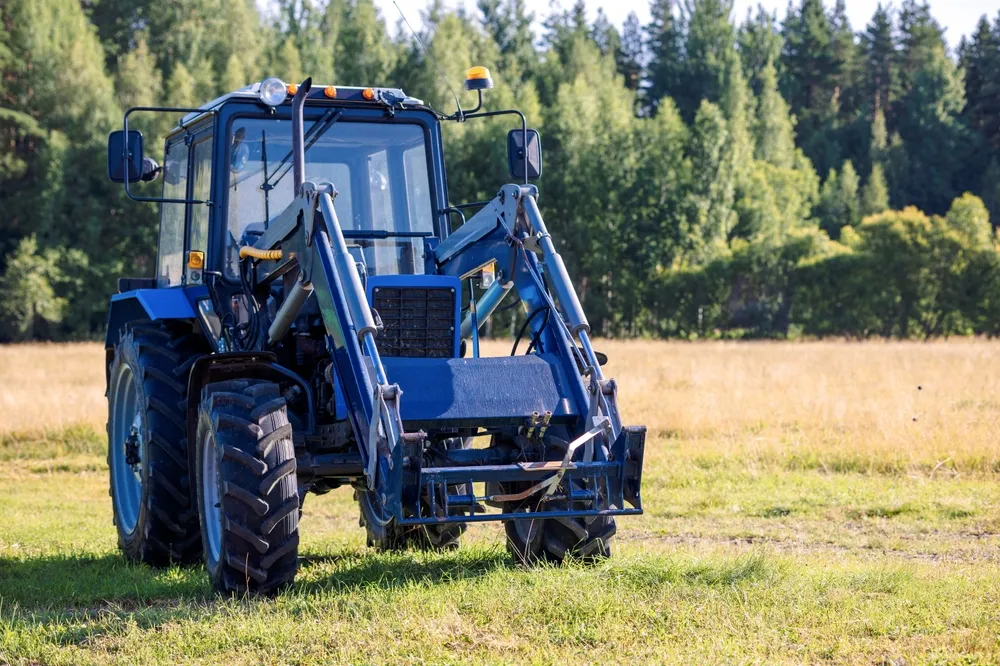
Transporting machinery from one country to another requires careful consideration of the most suitable mode of transport. Whether by air, sea, or road, each option has its own advantages and constraints. The machine’s technical configuration, weight, and urgency directly influence the final choice. Comparing costs, transit times, and logistical requirements ensures optimal control of the overall budget.
Coordinating transport goes beyond simply booking space in a cargo hold or on a vessel. Properly packaging the machine and preparing accompanying documents—such as the bill of lading, international consignment note (CMR), or commercial invoice—greatly improves the chances of smooth customs clearance. Taking out appropriate insurance protects against risks related to handling, climatic conditions, or damage during transit.
Anticipating customs and regulatory procedures
What documents are required to import machinery?
The customs declaration is the cornerstone of the process, consolidating all information related to the imported goods: origin, value, and technical description. This is usually accompanied by a pro forma or commercial invoice, a packing list, and proof of payment of duties and taxes. Certain categories of machinery also require specific licenses and permits issued prior to shipment.
Customs authorities often request proof of compliance with the standards applicable in the destination country. It is therefore crucial to anticipate any additional requirements—such as safety, quality, or environmental certificates—to facilitate customs inspection and control.
How to manage customs inspection and control upon entry into the country?
Upon arrival, imported machinery may be subject to thorough customs inspection and control. This step aims to verify that the declarations accurately reflect reality in terms of quantity, identity, and regulatory compliance. Officials ensure that the documentation matches the physical goods and that the certificates provided meet all legal requirements.
If discrepancies are identified during the inspection, the machinery may be held until the situation is regularized. To minimize such issues, working with an experienced customs broker helps streamline border clearance and avoid errors that could lead to delays or additional costs.
Ensuring local compliance and technical adaptation
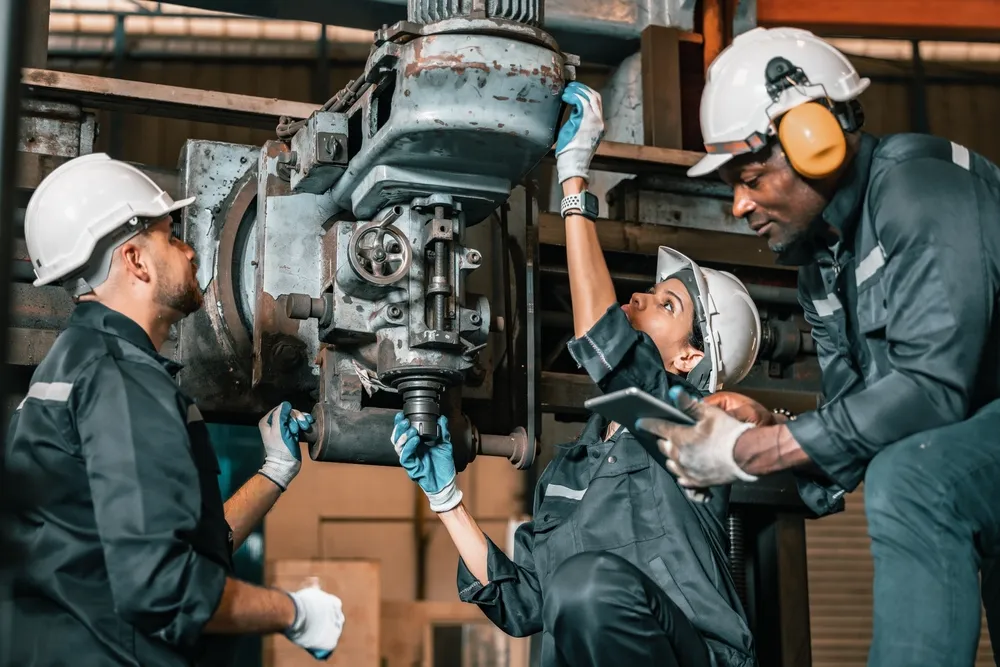
What adaptations are required to meet local compliance and standards?
Before being put into service locally, imported machinery must fully comply with applicable technical standards—electrical, mechanical, environmental, and safety-related. In some cases, modifications or the addition of protective devices are required to meet local specifications. This directly affects authorization for sale or operation within the domestic industry.
Conducting a technical audit with specialized experts helps identify any necessary modifications. A technical compliance report or national certification then becomes essential to pass certain inspections and ensure the machine’s lawful use.
Why is the EORI number essential for import procedures?
The EORI number (Economic Operator Registration and Identification) serves as a unique identifier for customs clearance operations within the European Union. No customs declaration is accepted without this identifier. Any company involved in importing machinery must therefore obtain an EORI number to formalize its transactions and access electronic customs systems.
Registering at the start of the project prevents procedural suspension, as the absence of an EORI number inevitably leads to administrative delays or blockages. Having this number readily available speeds up communication with inspection authorities and facilitates all import-related procedures.
Working with industry professionals
- Delegate procedures to an experienced customs broker
- Regularly consult a compliance and standards advisor
- Have machinery audited before importation by a local specialist
- Verify the reliability of the selected carrier
- Take out transport insurance covering transit and storage
Working with professionals who master customs procedures provides genuine peace of mind. These partners efficiently manage not only paperwork but also document negotiation and authentication stages. As a result, any error likely to trigger additional customs inspections can be detected and corrected in time.
Spending time selecting the right expert helps avoid many setbacks, especially when importing machinery into a new market for the first time. The assembled team will also facilitate local technical adaptation, administrative follow-up, and understanding of the national specificities unique to each territory.