Optimizing the lifespan of machines always relies on rigorous organization and precise monitoring of actions carried out on each piece of equipment. A well-designed maintenance plan not only ensures the availability of industrial tools, but also limits unexpected breakdowns that hinder productivity. This article explores how to build an effective standard maintenance schedule by focusing on preventive maintenance and daily best practices.
What does a structured maintenance plan include?
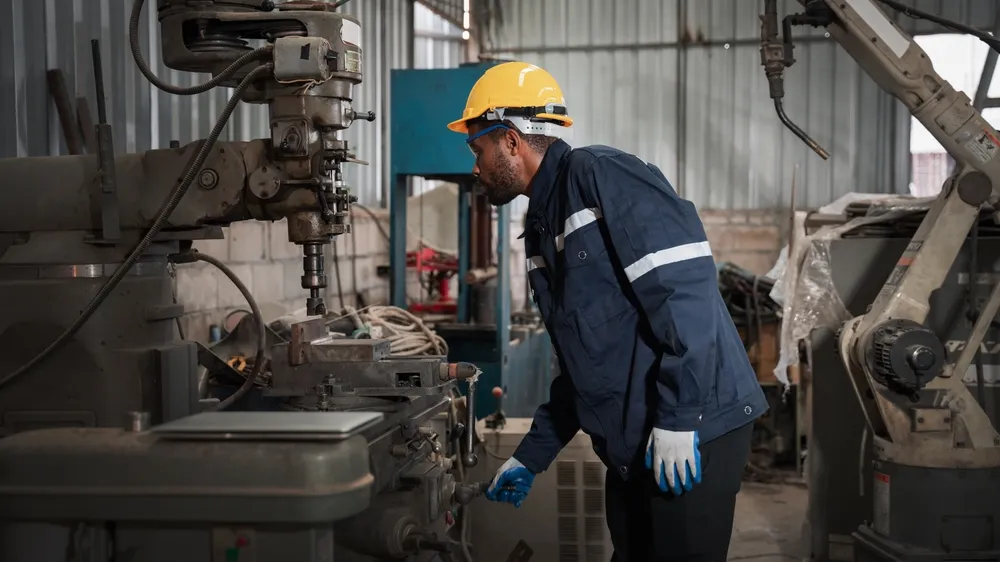
The success of a maintenance plan depends on striking the right balance between scheduled interventions and adaptation to the specific characteristics of each machine. An appropriate maintenance schedule thus becomes a key ally for technical managers seeking to prevent costly failures while maximizing equipment reliability.
This central document brings together various essential tasks found in nearly all industrial standards. Field feedback analysis and machine inspections are integral steps, providing a solid framework for any preventive maintenance policy.
What are the essential components?
To develop a relevant schedule, several operations should always be included in the roadmap, such as:
- Regular inspection of main mechanical and electrical components
- Periodic checks of safety devices
- Replacement of wear parts according to manufacturer recommendations
- Appropriate and monitored lubrication of critical points
- Thorough cleaning of filters, housings, and ventilation grilles
- Systematic recording of completed interventions to ensure optimal traceability
Integrating these elements into a maintenance schedule significantly reduces the risk of sudden breakdowns. This structured monitoring also provides better visibility to anticipate renewal or modernization needs.
Why implement a checklist?
Using a detailed checklist greatly simplifies the work of operators and maintenance technicians. It serves as a reference point and helps ensure nothing is overlooked during inspections or daily rounds.
With this tool, everyone knows the sequence of operations to perform, the urgency level of each task, and the deadlines to be met. This approach supports consistent performance across the entire machine fleet, leaving no room for improvisation.
How to adjust intervention frequency?
No two machines are exactly alike, which makes it necessary to tailor the maintenance schedule. The ideal frequency depends on many factors such as actual usage, equipment age, and the operating environment. More frequent inspections may be advisable in harsh conditions or when equipment is used intensively.
Rather than applying a fixed program, regularly adjusting the maintenance schedule based on field data offers better prospects for improving long-term equipment reliability.
What signals should be monitored before adjusting the plan?
Several indicators may prompt a revision of the maintenance frequency. Unusual noises, increased energy consumption, or abnormal sensor data are often early warning signs. Taking these signals into account allows for rapid action to prevent accelerated equipment deterioration.
Conversely, a decrease in incidents following an adjustment period may justify spacing out certain inspections. Reviewing past interventions enables detailed analysis and effectively guides future decisions.
Fixed or dynamic schedule: which option to choose?
Many companies adopt a hybrid approach. Critical operations are planned on fixed dates, while others are carried out on demand based on machine inspection results. This compromise simplifies priority management and optimizes the use of both human and material resources.
Dynamically adapting the maintenance schedule also ensures rapid response to unforeseen events, while maintaining a solid preventive maintenance foundation for most of the industrial fleet.
Organizing monitoring and traceability of operations
Maintaining a detailed history for all machines supports informed decision-making and reduces the risk of omissions or redundancies. Precisely recording every action is essential, particularly to demonstrate compliance during regulatory checks or quality audits.
Organizing documents related to wear-part replacement, lubrication cycles, and inspection reports facilitates collaboration between teams and enhances transparency in equipment management.
Why digitize intervention tracking?
Using dedicated management software makes it possible to centralize all events related to each piece of equipment. This includes maintenance schedules, automatic alerts, task assignments, and rapid generation of statistical reports. Such an approach streamlines cross-functional communication and significantly reduces the likelihood of human error.
When recurring anomalies appear, historical data can be quickly retrieved, improving the relevance of corrective actions and the overall consistency of the maintenance plan.
What are the concrete day-to-day benefits?
An information system encourages shared feedback through reliable, easily accessible histories. It also supports the onboarding of new staff, who immediately gain a clear overview of past and current situations.
With optimal traceability, communication with management or external service providers is simplified, as data is clear, dated, and available at any time.
The long-term impact of a solid maintenance schedule
Adopting a preventive maintenance approach leads to longer equipment lifespan and substantial long-term cost savings. Reducing unplanned downtime directly improves operational profitability while providing greater peace of mind for technical teams.
Robust monitoring processes combined with careful machine inspections fully support continuous improvement within industrial sites. Attention to lubrication, timely replacement of wear parts, and regular inspections clearly position the company as a committed player in industrial performance and safety.