Taking an interest in forestry machinery means exploring a world that is both highly technical and fascinating. Between heavy equipment for logging operations and more compact machines for clearing or maintenance work, each piece of equipment has its own specific uses, strengths, and limitations. Whether it involves harvesting, timber transport, or on-site processing, requirements vary greatly depending on the task at hand. A detailed overview of the main types of machinery helps clarify these differences, whether the goal is to choose a high-performance harvester or to understand the usefulness of a shredder suited to dense forests.
What are the main categories of forestry machinery?
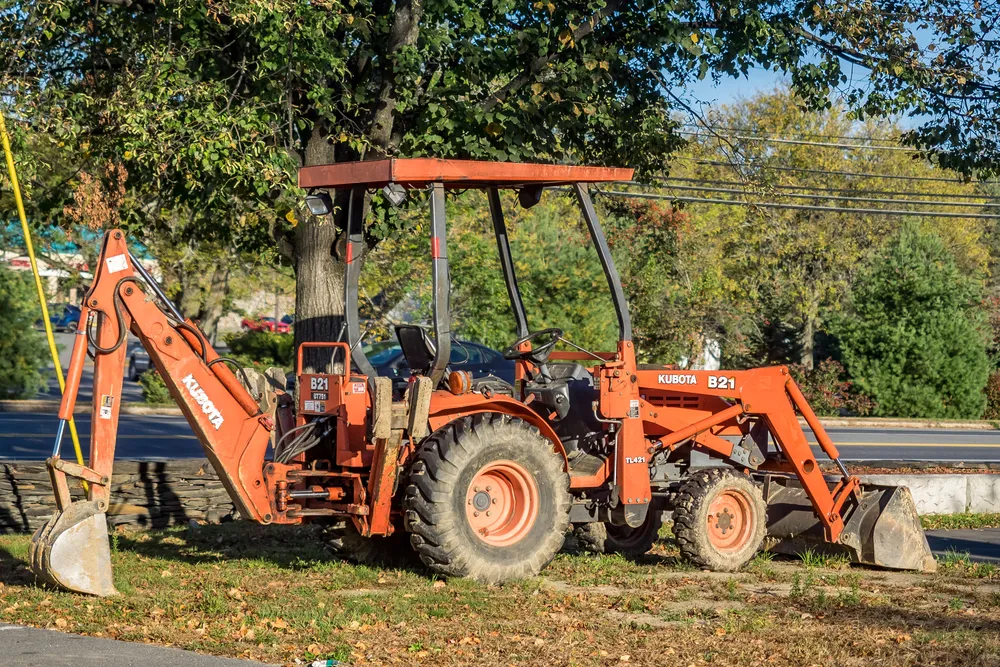
The forestry sector relies on a wide range of specialized equipment covering every stage of the forest management cycle. Professionals generally distinguish three main categories: harvesting machines, transport machines, and equipment dedicated to processing and maintaining forest plots.
Each category includes several flagship models. Harvesters, forwarders, forestry tractors, and shredders are selected according to site conditions and the type of timber to be exploited. Reviewing these tools makes it easier to choose the right investment or usage for the terrain.
Harvesting machines: what are their specific features?
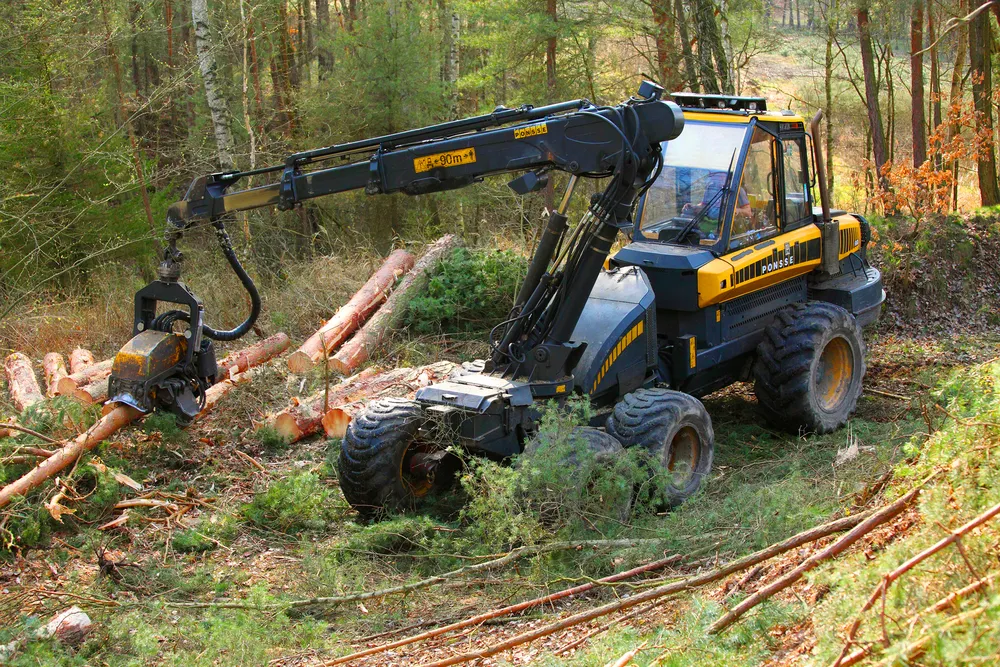
Among harvesting machines, some equipment handles cutting, processing, and sometimes cross-cutting trees directly on site. Modern forestry harvesters, now highly automated, often combine felling, delimbing, and cross-cutting in a single operation. Their productivity is particularly impressive on large-scale operations where efficiency is essential.
Alongside these sophisticated machines, forestry processors play a complementary role. On-site, they efficiently process already felled logs, cutting timber to the desired length while optimizing log sorting. These processing machines are often used when preparation must occur immediately after cutting to save time or quickly clear the area.
Transport machines: which should be preferred depending on the terrain?
Once timber has been harvested, it must be transported out of the logging area to an accessible storage point. Two types of transport machines dominate this stage: forwarders and skidders. Forwarders can carry large loads of logs across suitable terrain. Thanks to their stability, they help reduce soil damage during repeated passes.
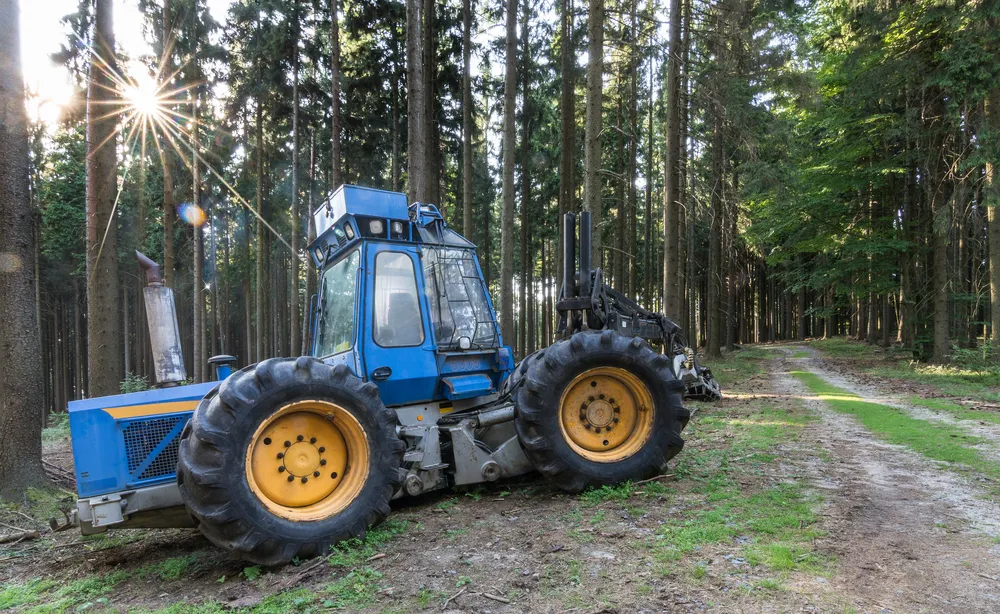
Skidders are designed to pull logs to access roads, even on steep slopes or in hard-to-reach forests. In dense undergrowth or rugged terrain, these robust machines provide a valuable alternative due to their strong traction power and durability.
Heavy equipment versus light equipment: what is the difference for forest management?
The variety of tasks in forestry requires balancing heavy machinery designed for large volumes with lighter equipment for targeted or occasional operations. This distinction strongly influences work methods and operational costs.
Powerful machines speed up harvesting and extraction phases but require good access to forest areas. Conversely, compact solutions allow work in confined spaces while minimizing environmental impact.
When should heavy machinery be used in forests?
Heavy equipment is mainly used for large-scale logging. Mobile forestry harvesters equipped with telescopic cranes and multifunctional heads efficiently handle large trees or batch harvesting. This approach is essential during clear-cutting or major forest plot renovations.
At the same time, high-capacity forwarders easily move large volumes of roundwood, while skidders manage intermediate transport over long internal distances. These heavy machines streamline workflows and reduce overall intervention time.
Where does light equipment offer advantages in forestry operations?
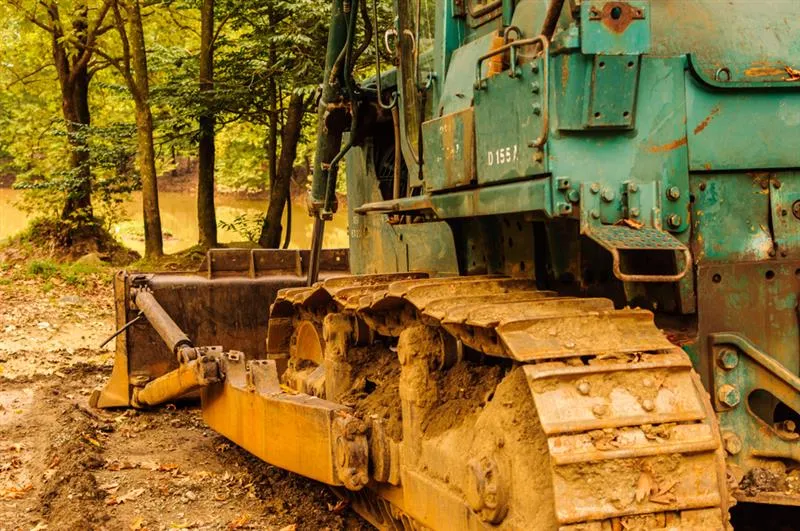
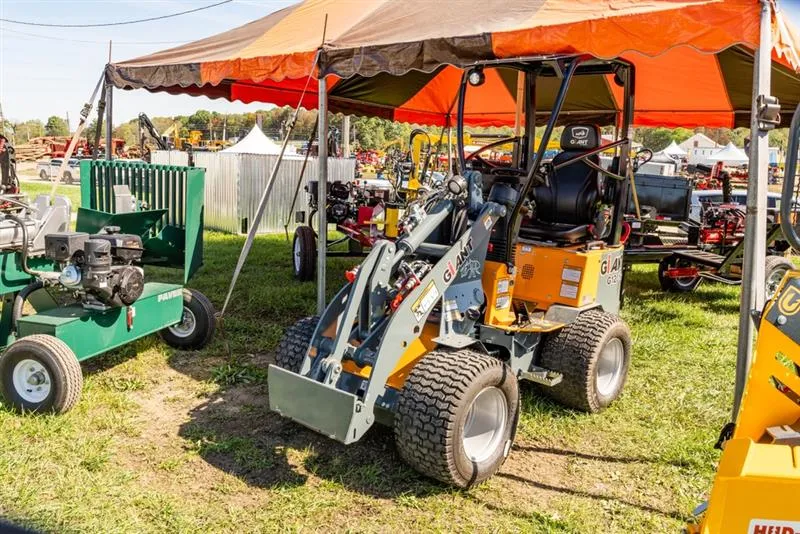
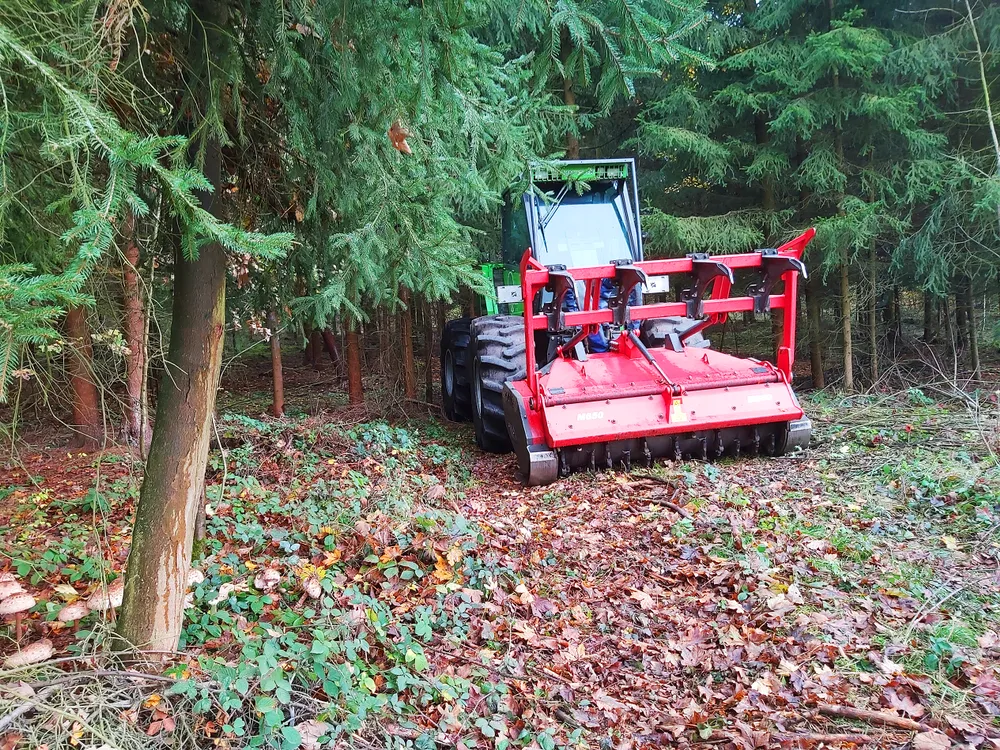
Light equipment is preferred for selective interventions, maintenance, or sustainable forest management. Forestry tractors, small shredders, and mini-forwarders provide valuable maneuverability when terrain cannot support heavy machinery or when biodiversity preservation is a priority.
For natural regeneration, targeted clearing, or regular maintenance of forest roads, these compact machines offer flexibility and discretion. They limit soil compaction and damage to young plants. The cost-effectiveness ratio becomes particularly attractive for small forests or specific, atypical tasks.
Which machine should be chosen for each forestry use?
Selecting the right forestry equipment depends on the exact nature of the project and environmental constraints. Some machines are essential for industrial-scale logging, while others are better suited for precise ecosystem management work.
The decision considers budget, volume to be moved, type of timber (hardwood or softwood), and local regulations related to habitat preservation.
- Forestry harvesters: ideal for rapid felling, industrial log preparation, and large-scale operations.
- Forestry processors: excellent for maximizing efficiency during on-site log processing.
- Forwarders: perfect for quickly removing cut timber with minimal soil impact.
- Skidders: best reserved for extracting timber from complex or hard-to-access areas.
- Forestry tractors and light equipment: preferred for maintenance, firebreak creation, and ecological management of sensitive areas.
- Shredders: used to process green waste, debris, or branches, enabling the production of wood chips or mulch on site.
How can the choice of forestry machinery be optimized according to the environment?
Adapting forestry equipment to local conditions makes all the difference. In large, open forests, heavy machinery delivers maximum efficiency and speeds up silvicultural cycles. Conversely, in fragmented areas or nature reserves, compact solutions are favored to meet environmental protection requirements.
Studying topography, planting density, soil condition, and intervention frequency guides sustainable investment decisions. Using the right forestry machine in the right place ensures long-term profitability while preserving available forest resources.