Finding the ideal harvester for forestry work is far from trivial. Between the different models available, the power required depending on the trees to be processed, and the budget to plan for, there are many criteria to consider. Getting into mechanized logging means clearly identifying your needs based on the type of cutting, the terrain, and the diameter of the trees encountered. This guide helps make things clearer, so you can select a harvester-processor that is truly suited to each situation.
What are the different types of harvesters and their characteristics?
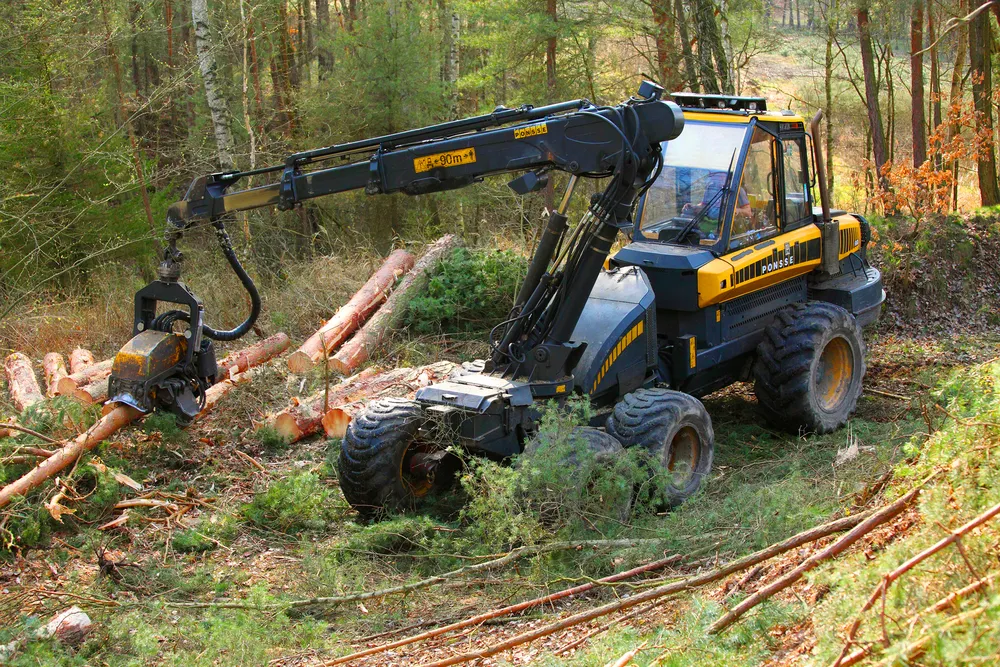
The market offers a wide range of harvesters designed for very different forestry contexts. Choosing between a compact machine and a more massive model depends on the volume of trees to be cut, their size, and the expected processing results. The main distinction is generally made between traditional harvesters, harvester-processors, and multipurpose machines equipped with a cutting grapple to meet specific uses.
In this field, specialization is crucial. A harvester intended for energy wood will not have the same advantages as a machine designed for selective cutting of large diameters. Carefully observing the cutting method used can significantly improve efficiency while limiting on-site damage.
What criteria should be considered when choosing a harvester?
Choosing a harvester is not just about comparing tire size or cab color. Several technical elements influence the decision, including engine power, the type of cutting possible, and the configuration of the operator’s station. Each criterion plays a role in ensuring efficient and profitable mechanized logging.
Before making any decision, it is also important to assess the overall budget, as price differences between ranges can be significant. Taking into account the type of terrain and climatic conditions helps avoid unpleasant surprises during daily operation.
How can you assess the power of a harvester relative to your needs?
The power of a harvester determines its ability to carry out fast, precise felling without unnecessary effort. For low-density stands with small to medium-diameter trees, a less powerful machine may be sufficient. On the other hand, when dealing with mature forests with large-diameter trees, choosing a robust machine ensures safety and productivity.
There is a wide range of power outputs available on the market. The choice should always be based on the main intended use, the desired cutting method, and the expected frequency of operation of the harvester-processor.
Does the type of cutting influence the choice of machine?
Depending on the desired outcome, the type of cutting clearly plays a major role in equipment selection. Some machines specialize in clean cuts to simplify processing, while others accept specific attachments such as interchangeable harvesting heads for energy wood, for example. Compatibility with a cutting grapple is essential if you want to diversify your activity toward undergrowth maintenance or post-storm cleanup.
Adapting the cutting method to the realities of the terrain can also greatly reduce the risk of unnecessary damage to remaining trees, optimizing the forest’s natural regeneration in the long term.
Why does the type of terrain greatly influence the choice of harvester?
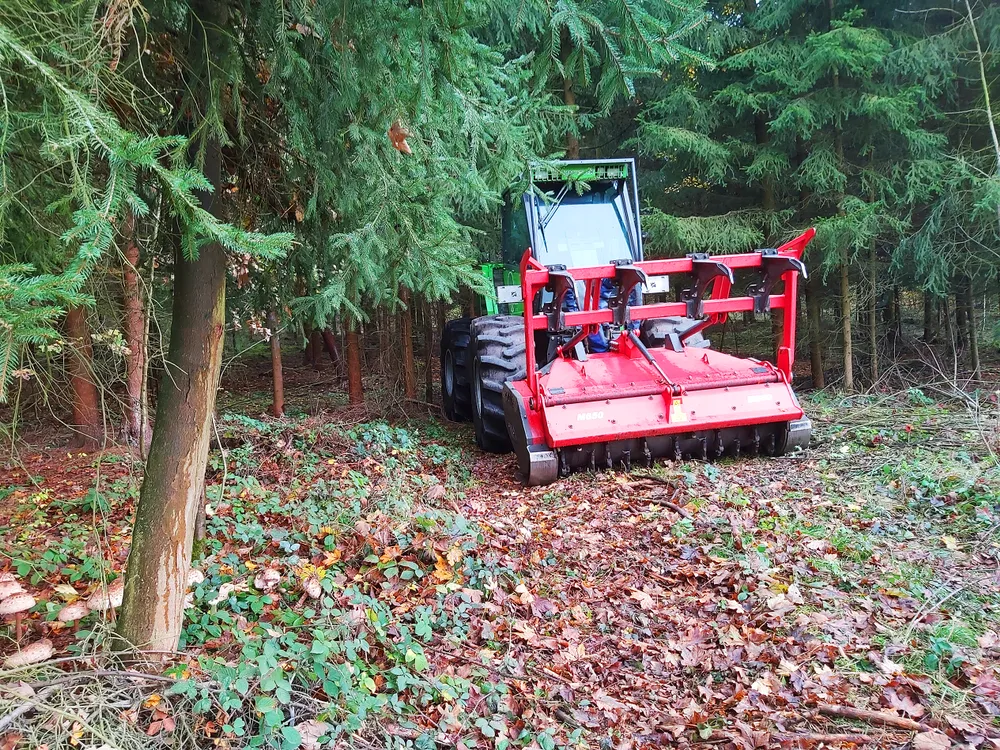
The geographical context in which the machine operates significantly affects the performance and mobility of a harvester-processor. Steep, loose, or wet terrain often requires specialized machines capable of overcoming natural obstacles or working without compacting the soil.
On large flat areas, a heavier and more imposing machine can move freely, maximizing mechanized logging efficiency. However, in mountainous areas or difficult ground conditions, it is better to opt for an agile model equipped with tracks or innovative systems that reduce environmental impact.
What equipment should be prioritized on complex terrain?
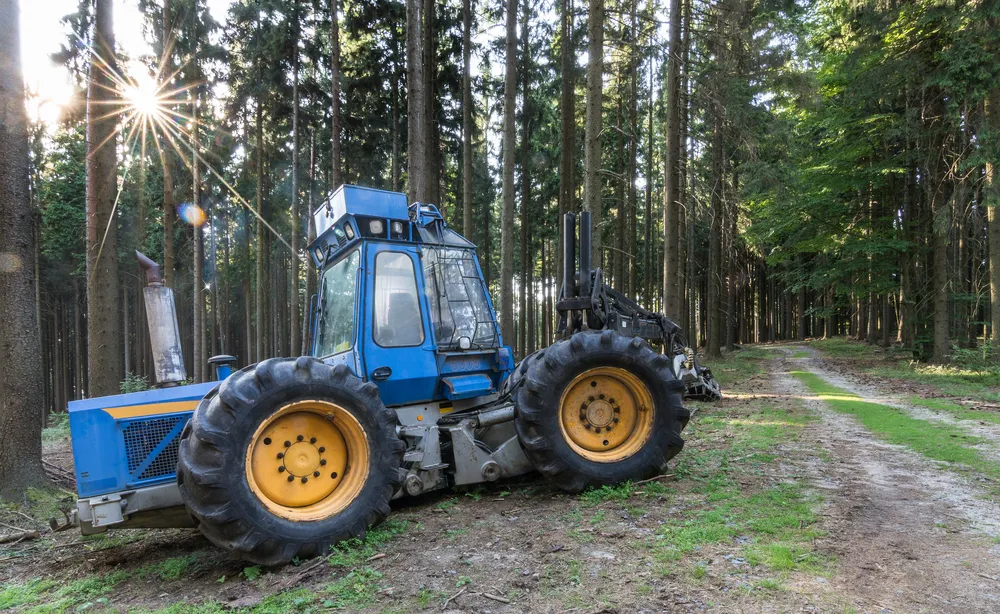
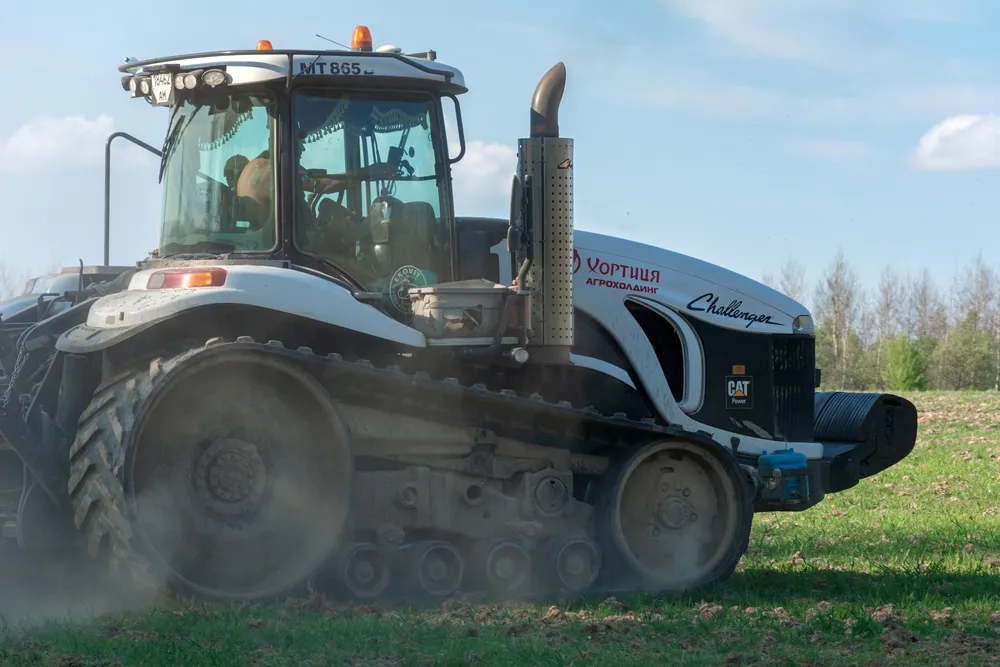
On uneven or muddy ground, certain accessories make a real difference. Harvesters equipped with tracks provide better stability, while suitable tires help prevent getting bogged down. It is also important to pay attention to chassis height and steering angle to maneuver easily.
Installing multifunction harvesting heads allows the machine to be instantly adapted to local specificities, such as the presence of shrubs or young regrowth that need to be preserved during selective cutting operations.
Why do visibility and operator comfort play a key role?
Operating a harvester for a full day requires concentration and precision. A comfortable operator station with a wide panoramic view of the worksite helps prevent fatigue and mistakes. Before making a final purchase, check for onboard cameras, anti-glare windows, and an ergonomic seat.
Recent developments include connected control screens that allow instant monitoring of every operation: cutting, head rotation, and cutting-grapple management. The more accessible the information, the safer and faster the work becomes.
How can you determine the budget for a suitable harvester?
Planning an investment in a harvester means taking into account many variables beyond the initial purchase cost. Durability, ease of maintenance, and resale potential all weigh heavily in the economic balance. A detailed estimate should therefore include spare-parts costs, energy consumption, and any maintenance contracts.
A thorough needs analysis helps avoid excess (an oversized, overly expensive machine) or the opposite pitfall (an underpowered harvester quickly limited in its tasks). Properly balancing performance and real cost supports the long-term profitability of forestry operations.
- Take into account the type of terrain targeted
- Analyze the average diameter of the trees to be harvested
- Compare harvester power according to frequency of use
- Identify the need for specific harvesting heads
- Assess the machine’s ability to handle different cutting methods
What advantages does mechanized logging with a harvester-processor offer?
Adopting mechanized logging significantly transforms forest management. Using a harvester-processor can increase cutting speed tenfold and greatly reduce exposure to accidents. This technology appeals both to players in the energy-wood sector and to those specializing in timber production.
Thanks to the centralization of operations in a single fully protected cab, the operator controls felling, delimbing, and bucking with just a few quick movements. Advances in harvesting-head design, combined with high-performance cutting grapples, make it easier to adapt to all species profiles and tree diameters.