Investing in a used machine can be an excellent way to control costs, provided a thorough inspection is carried out. Before committing, taking the time to establish a detailed inspection checklist helps avoid many unpleasant surprises. Whether it is construction, agricultural, or industrial equipment, each step of the inspection process plays a key role in ensuring reliability and safety at the time of purchase.
Why create an inspection checklist before buying?
Purchasing a used machine without preparation often means navigating blindly. Defining usage objectives from the outset helps focus the inspection on the most critical points. Many buyers are attracted by an appealing price but sometimes overlook essential checks that could prevent serious setbacks.
A structured checklist not only saves time but also reduces the risk of forgetting decisive elements such as maintenance history or the presence of leaks. It is useful for both experienced professionals and buyers who are less familiar with this type of equipment. A methodical approach significantly reduces uncertainty while providing a solid basis for negotiating a fair price.
Key elements to inspect when buying a used machine
A thorough inspection goes far beyond a quick glance at the machine’s overall condition. Each subsystem deserves close attention to anticipate hidden costs or potential safety risks. Several steps form the foundation of a successful inspection and help identify any anomalies.
Below is a detailed approach to covering each essential aspect, from basic visual checks to the verification of official supporting documents. Creating your own list, tailored to the model or intended use, further enhances security during the purchase.
What are the first visible signs to check?
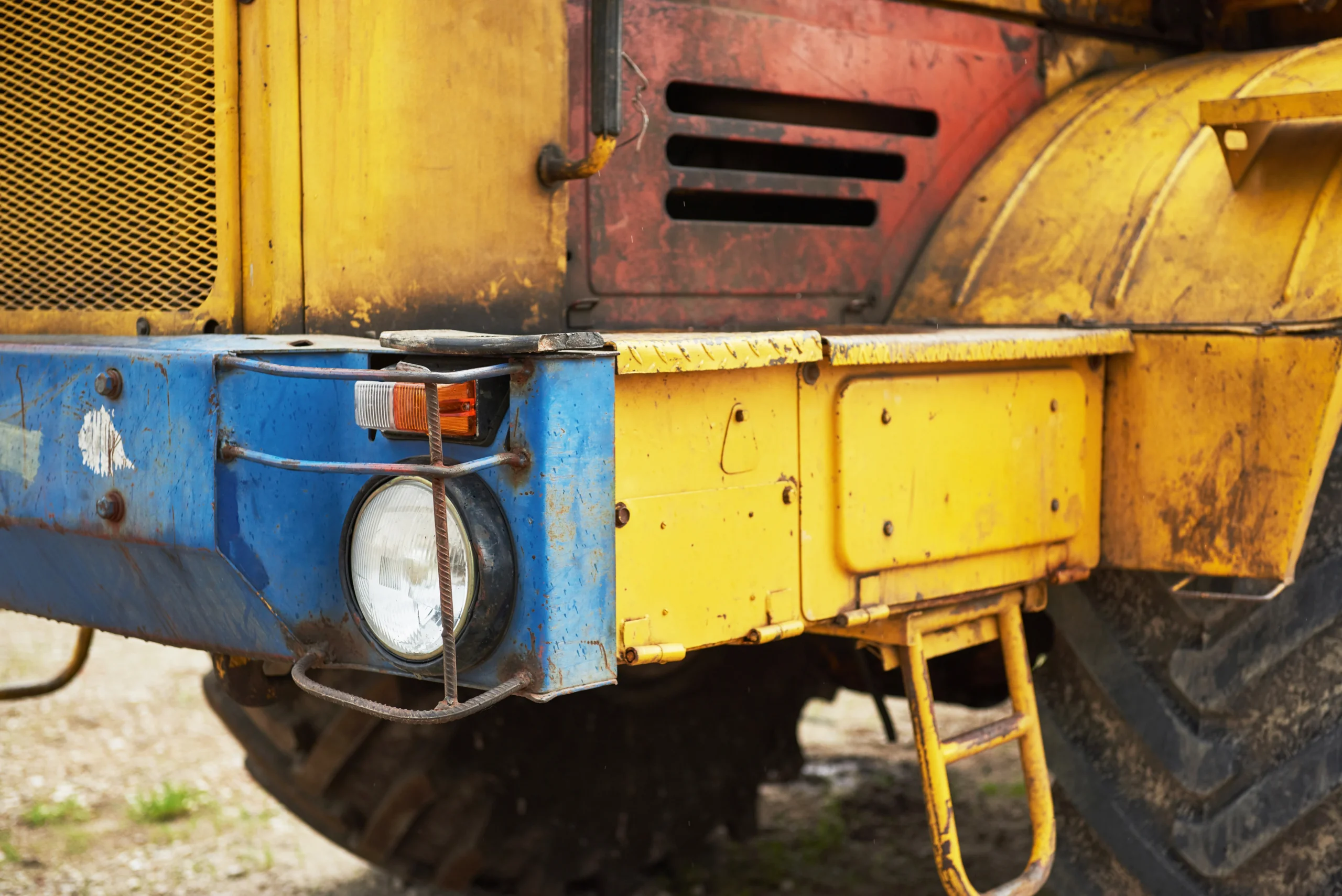
A careful visual inspection immediately provides valuable clues about overall wear. Examining the exterior helps identify signs of impacts, past accidents, or questionable repairs. Areas prone to rust, especially under the chassis or around exposed components, deserve particular attention.
Excessive play in joints or moving axles may indicate advanced wear requiring refurbishment. The general condition is often reflected in the paintwork, cleanliness, and weld quality. It is important to check the strength of fastenings and the overall structural integrity.
How should technical parts and components be assessed?

Inspection should then focus on key components such as the engine, hydraulics, and transmission. Look for any suspicious leaks: oil, hydraulic fluid, fuel, or coolant. The hour meter reading provides an indication of actual usage, but it is essential to compare this data with the machine’s real condition to detect inconsistencies.
Testing component operation is essential. Run the engine for several minutes, observe speed variations, and listen for any unusual noises. Also check the responsiveness of hydraulic controls and the smooth operation of the transmission. This helps reveal potential internal issues and provides insight into the quality of past maintenance.
Administrative points and regulatory compliance not to overlook
Reviewing the documentation provided by the seller is just as important as the technical inspection. A complete administrative file secures the transaction and protects against legal or regulatory issues. Regulatory compliance must always be verified.
In France, certain machines are subject to strict regulations requiring the retention of compliance documents proving origin, registration, and approval. Having these papers increases resale value and simplifies procedures in the event of an inspection.
What document checks should be carried out?
Reviewing the registration document (if applicable) and compliance/origin certificates allows you to trace the maintenance and ownership history. Request the original purchase invoice, CE certificates, and any proof showing that the machine meets current standards.
Never fail to verify the serial number or chassis number. This check confirms the exact identity of the machine and eliminates any doubt in cases of reported theft or undeclared modifications. Always compare this number across all documents and the machine itself.
What should you watch out for regarding safety?
Safety systems must be functional and compliant. This includes mechanical guards, bumpers, emergency shut-off devices, or fire extinguishers designed to prevent incidents. During inspection, confirm the presence of all safety equipment required under current regulations.
The absence or malfunction of even a single safety component seriously compromises the machine’s immediate usability. This check is an integral part of the future owner’s responsibility, both in daily operation and in the event of an on-site accident.
Sample inspection checklist to customize
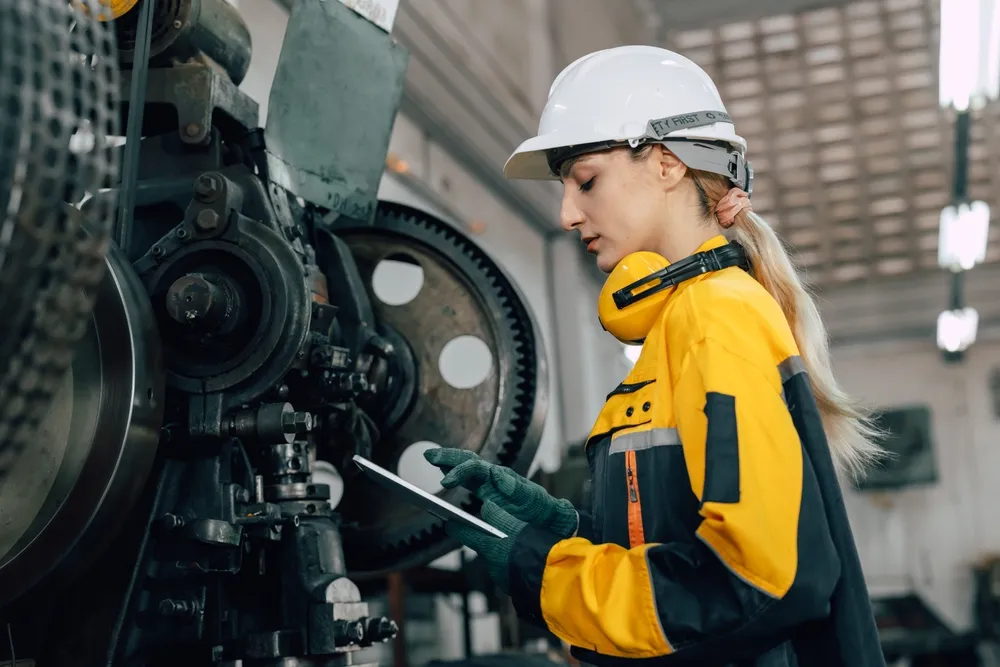
Creating your own inspection grid provides structure and peace of mind when purchasing a used machine. To leave nothing to chance, here is an example checklist to adapt according to intended use and the specific model.
- Identification and verification of the serial/chassis number
- Assessment of the machine’s overall condition (chassis, bodywork, welds)
- External and internal visual inspection
- Verification of the presence of compliance/origin documents
- Reading of the hour meter and consistency analysis
- Identification of visible leaks (oil, coolant, fuel, hydraulics)
- Functional testing of the engine, hydraulics, and transmission
- Inspection of specific checkpoints (play, wear, rust, alignment)
- Evaluation of equipment safety (physical guards, safety devices)
- Review of maintenance history, invoices, and completed work
- Regulatory compliance and verification of legal obligations
Applying these checks ensures a proactive purchasing approach. Even if it takes time, a methodical inspection is always worthwhile compared to the potential cost of unexpected breakdowns, major repairs, or administrative issues after the transaction. Update and adjust this checklist for each purchase to anticipate new uses or future regulatory requirements.