Purchasing a used forestry machine can seem like an attractive financial opportunity. However, many buyers encounter costly problems that are often avoidable with a bit of vigilance. Identifying common pitfalls and adopting the right habits can significantly reduce unpleasant surprises and ensure the longevity of the investment.
Which elements should not be overlooked during the physical inspection of the machine?
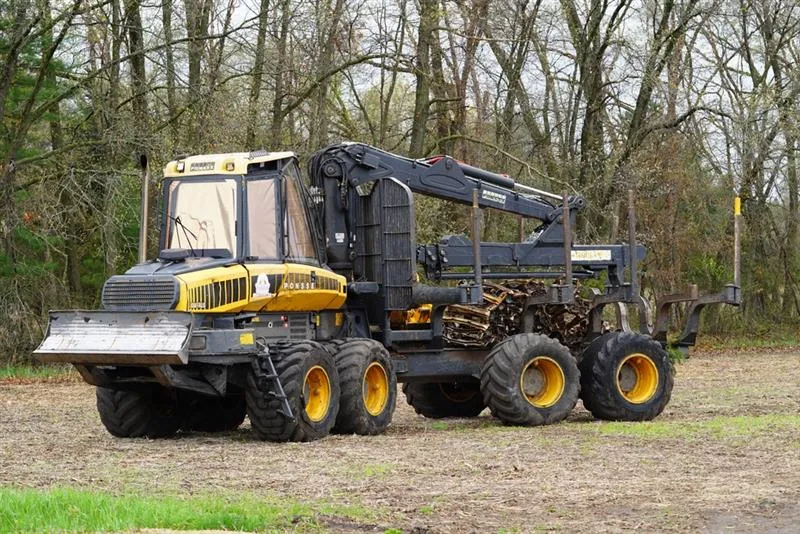
When acquiring a used forestry machine, attention to the initial inspection is crucial. Too often, hurried or uninformed buyers fail to check key components, exposing themselves to unexpected expenses or even serious safety incidents. Every detail matters in properly assessing the overall condition of the equipment.
A thorough inspection also helps anticipate maintenance needs shortly after purchase. If certain points are missed at first glance, it can affect the operation of the machine in the medium term.
Which key components must absolutely be checked?
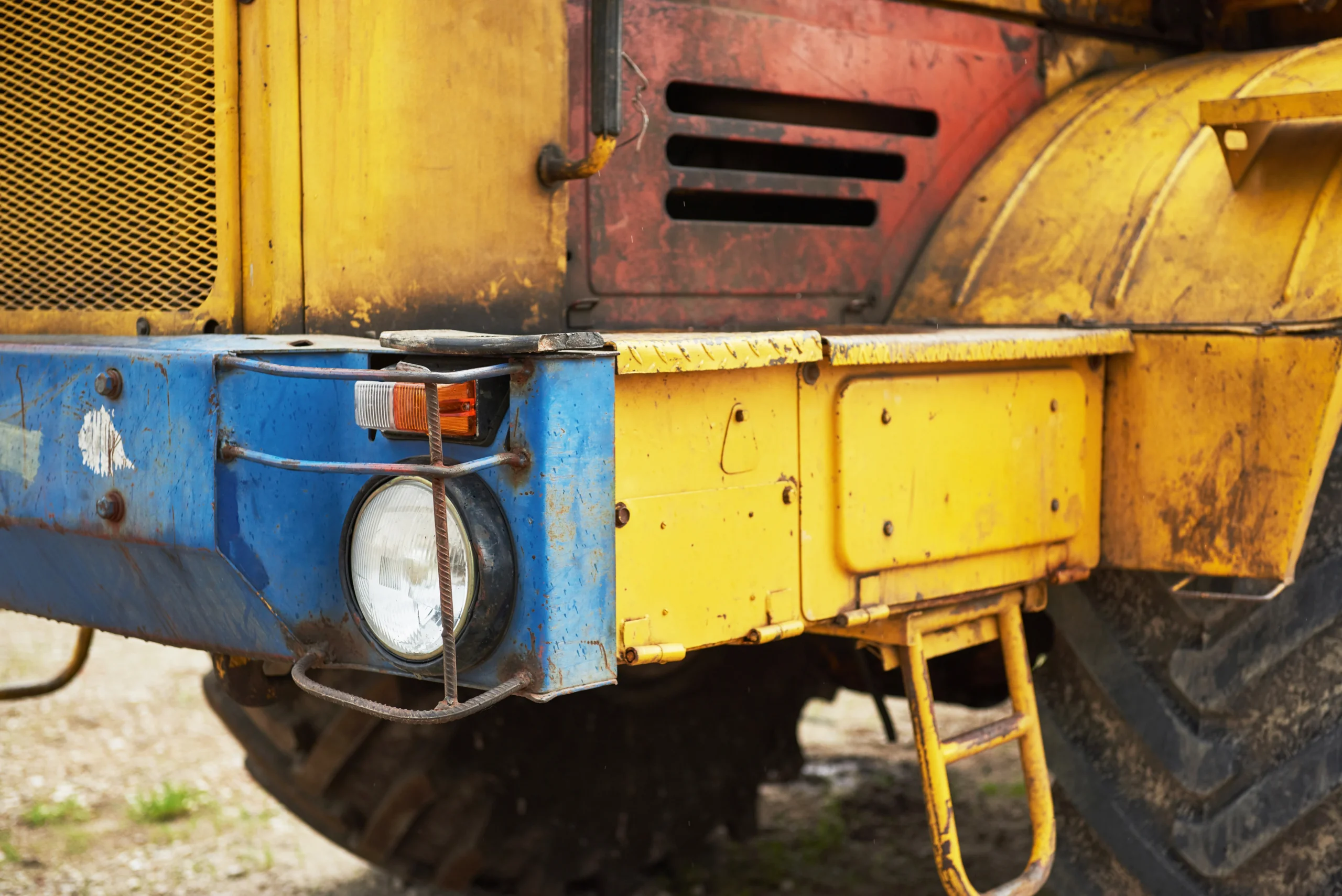
The condition of critical components such as the engine, rotor, hammers, or hydraulic system directly influences the machine’s reliability and productivity. Special attention should be paid to abnormal wear, potential leaks, and the hydraulic system’s performance under real load.
Listening for unusual noises at startup or during testing can help detect emerging faults. A precise check of the hour meter, combined with a detailed visual examination of machine wear, also provides clues about the consistency between recorded hours and actual usage.
Why monitor warning lights and electronic alerts?
The operation of warning lights and alerts provides valuable information on the machine’s electronic and mechanical health. Ignoring these signals risks overlooking hidden defects and potential issues even before the transaction.
Indeed, some sellers may be tempted to disable inconvenient warning lights or hide recurring problems. Taking the time to verify all electronic functions ensures optimal risk prevention when making a purchase decision.
Which administrative documents should be requested?
Beyond technical aspects, neglecting paperwork is a classic pitfall in the used forestry machine market. An unclear or incomplete usage history can hide many surprises. Requesting written proof is a mark of seriousness regarding both past use and current guarantees.
Some dishonest sellers rely on buyers’ naivety or haste to conceal past accidents, unauthorized modifications, or safety compromises. Key documents to examine include:
- Documented usage history (previous contracts, work zones, operations performed)
- Regular maintenance and service reports
- Accurate hour meter readings and their consistency with declared usage periods
- Inspection reports, if available
- Complete traceability since import, if applicable
How to avoid hidden defects, fraud, and scams?
The used forestry machine market is not immune to dubious practices. Several strategies help avoid hidden defects and make a confident purchase. By gathering enough advanced information about the desired machine, it becomes harder for an unscrupulous seller to conceal major faults.
Underestimating this aspect risks buying a machine whose hidden defects only appear after weeks of use, sometimes too late to obtain compensation. Fortunately, a few simple steps can reduce this risk.
Why request an independent expert assessment?
Engaging an independent specialist or mechanic to inspect the machine provides a fresh perspective focused on risk prevention. This professional can identify inconsistencies, even subtle ones, between the machine’s appearance and its actual wear.
This approach also signals to the seller that the buyer is vigilant and informed, naturally limiting attempts at scams. Some experts have specialized tools capable of detecting electronic failures invisible to the naked eye.
How to cross-check the machine’s history with previous working conditions?
The environment in which a machine has been used strongly affects its future lifespan. Operating in extreme terrain, rocky, or marshy soils accelerates wear, particularly on bearings and the chassis. Learning about these prior working conditions can prevent a regrettable purchase.
Comparing this context with the current condition of components helps detect superficial repairs intended to hide premature wear. When possible, consulting previous users provides a more complete view of the machine’s reliability.
Why anticipate maintenance immediately after purchase?
One of the most costly oversights is assuming that a purchased machine operates normally until a major failure occurs. Planning maintenance visits immediately after acquisition significantly reduces the number of heavy repairs and extends the overall profitability of the forestry machine.
Creating a precise schedule for monitoring wear parts preserves the machine’s performance, even when it already has several thousand hours of use.
What signs of wear should be monitored during initial operation?
From the start, closely monitoring small malfunctions (unusual vibrations, leaks, slow temperature rise) limits the worsening of latent problems. Increased attention to oil levels, automatic lubrication, and chain tension are essential practices.
Any anomaly detected early in the post-purchase period allows for negotiation or the use of warranties with the seller. This vigilance also protects the operator from prolonged downtime and ensures effective prevention of wear-related issues.
Should critical parts be replaced immediately?
Buying used often encourages deferring certain expenses. However, promptly replacing critical components (filters, worn hydraulic hoses, contactors) is usually cheaper than waiting for a total failure.
Creating a prioritized list of preventive interventions makes budget management more flexible. This proactive maintenance strategy supports the machine’s residual value while avoiding many short-term surprises.